



 Popular Categories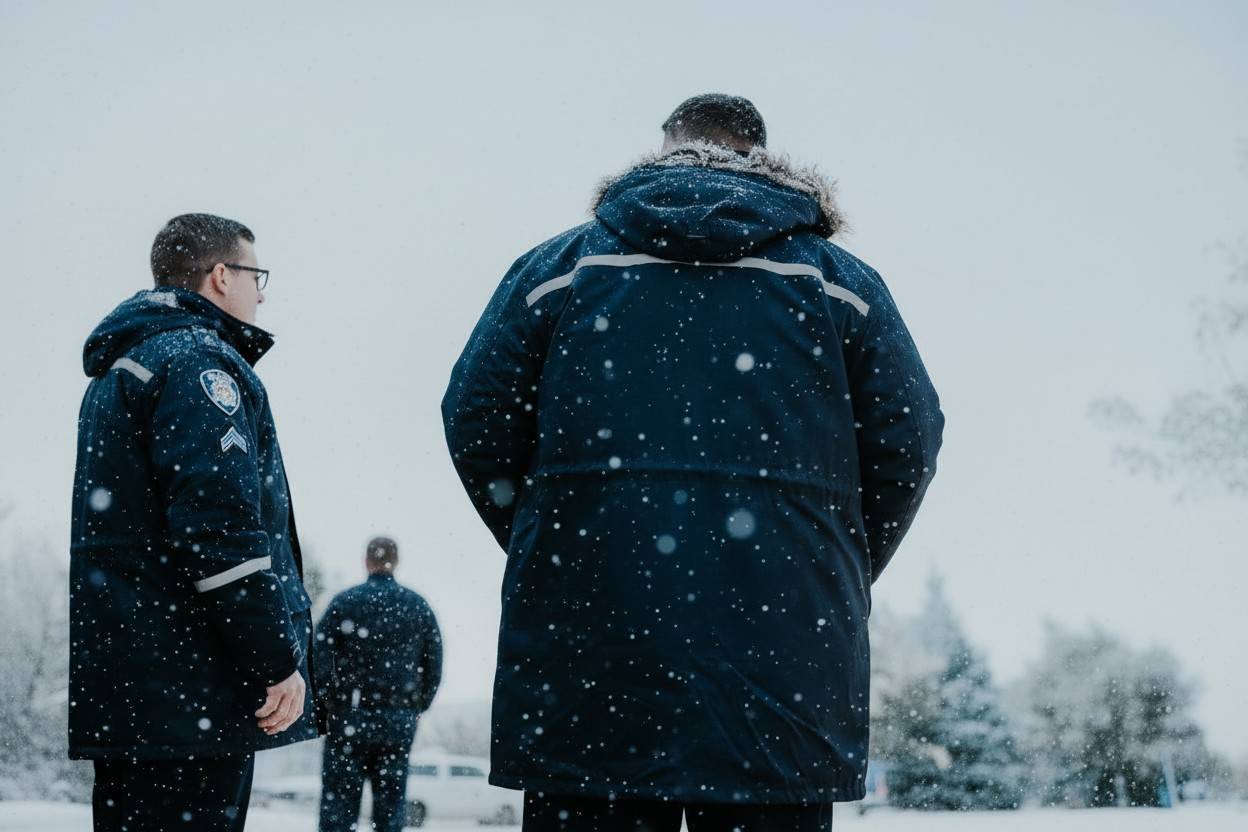
Cold-Weather Patrol Essentials: Checklist for New Officers

The first time you step out of your cruiser onto a frozen highway for a traffic stop, the reality of winter policing hits you hard. The wind cuts through standard-issue uniforms, fingers stiffen within minutes, and focus shifts from the subject to the biting cold. For new officers, mastering the art of cold-weather preparation is not just about comfort; it is a critical component of officer safety and operational readiness.
When your body temperature drops, your physiological response changes. Fine motor skills degrade, reaction times slow down, and decision-making can become clouded. In a profession where split-second decisions define outcomes, you cannot afford to be distracted by shivering or numbness. "Toughing it out" is not a strategy; it is a liability.
"Police Officers need to be comfortable in order to perform optimally, and even to stay safe. In cold weather, officers who are exposed for long periods of time can become distracted and focused squarely on trying to get warm. They cannot move well or physically react in situations where safety of all is at risk."
— Donnell Gordon, Commander, Lexington Police Department

Reliable gear is the bridge between environmental exposure and peak performance. This guide outlines the essential checklist for new officers facing winter patrols. We will explore the specific systems and products that keep you warm, mobile, and ready for duty, focusing on a layered approach trusted by veterans in the field.
Understanding the Layering System
Before diving into specific items, it is critical to understand the fundamentals of staying warm during cold-weather patrols. A well-structured layering system remains the foundation of effective thermal regulation:
- Base Layer: Manages moisture and sits against the skin. Explore base layers for law enforcement to keep moisture at bay and maintain core warmth.
- Mid-Layer: Traps heat and provides insulation. Review mid-layers and uniform shirts for breathable, insulating options.
- Outer Layer: Shields against wind, rain, and snow. Find outerwear options including jackets and parkas designed for harsh conditions.
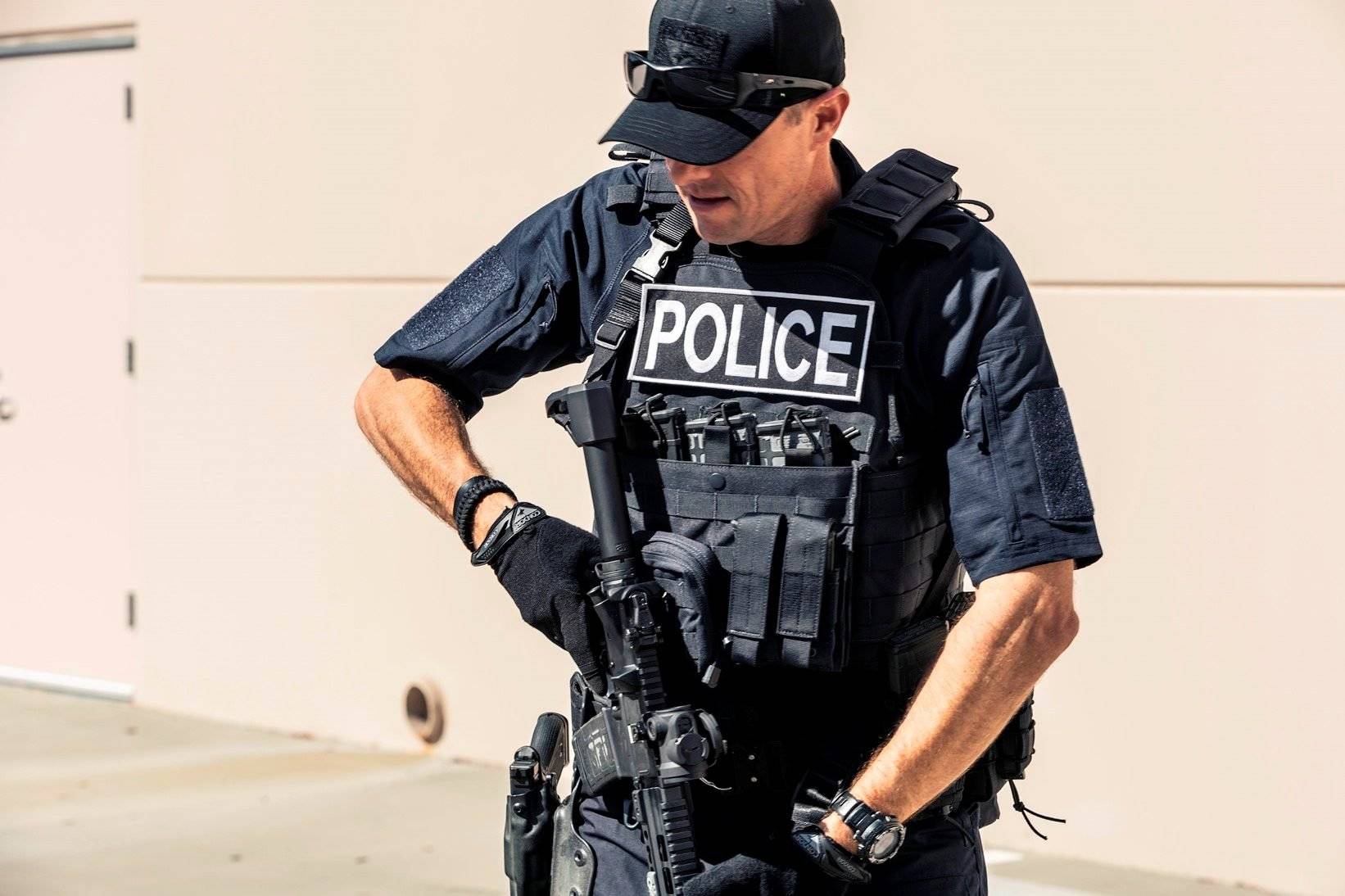
As a 20-year NYPD veteran and co-founder of IMPACT Chemical Irritant Spray, I recommend a layering approach tailored to the demands of a typical 12-hour winter shift. Start with a thermal shirt, add a vest, your uniform shirt, a lighter jacket, and have a heavier parka-type available if standing outside for extended periods.
Common mistakes occur when new officers misjudge their environment, such as wearing all layers inside controlled environments. They wear all layers while riding around in a heated car—sweating, and that sweat freezes when they get out for a while. Sweat soaked anything can be dangerous! It freezes and makes you feel colder.
To maintain effective temperature control and reduce cold-related risk, use moisture-wicking base layers and adapt your outer layers to your activity and exposure. This method ensures you remain ready, comfortable, and protected regardless of shifting conditions.
1. The Foundation: Extreme Base Layers
Your base layer is the most critical component of your cold-weather kit. Its primary job is to wick sweat away from your body. Water conducts heat away from the skin 25 times faster than air. If you work up a sweat during any kind of physical activity and that dampness remains against your skin, you’ll start to feel cold the moment you stop moving. Cotton is especially problematic—it soaks up moisture and quickly loses its ability to insulate.
Explore base layers and thermal underwear options specifically designed for law enforcement. These products are engineered to keep you dry and comfortable during the most demanding winter shifts.
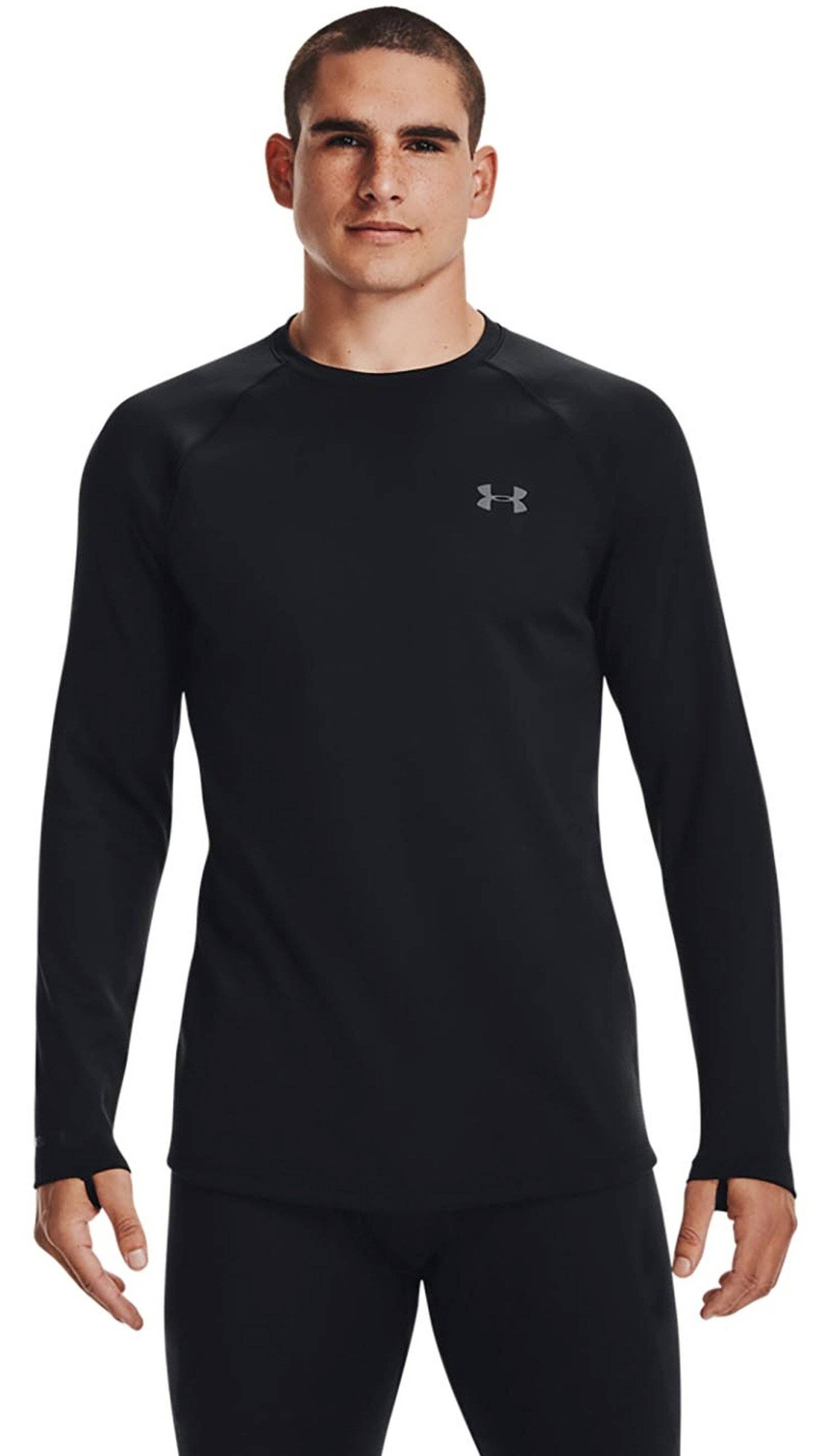
Product Spotlight: Under Armour Men's UA Base 4.0 Crew Shirt, Packaged
For the coldest shifts, you need a base layer engineered for extreme conditions. The Under Armour Men's UA Base 4.0 Crew Shirt is designed for the harshest weather you will encounter on patrol.
Why it belongs on your checklist:
This shirt utilizes a unique negative grid pattern that traps heat in tiny pockets against your skin while aggressively wicking away sweat. The 4.0 rating indicates it is Under Armour’s warmest base layer, built specifically for very cold weather and lower activity levels—perfect for long stakeouts or directing traffic where you aren't generating much body heat.
Despite its high thermal rating, it features 4-way stretch construction. This ensures that adding this layer doesn't restrict your range of motion or bind up under your body armor. The material also features scent control technology, which is a practical benefit for long shifts where you might be layering up for 12 hours or more.
For more options, visit our complete selection of thermal gear.
2. The Mid-Layer: Versatile Warmth and Mobility
The mid-layer is your thermostat. It traps the warmth your body generates. In law enforcement, this layer needs to be thin enough to fit under a duty jacket or over a uniform shirt without creating bulk that interferes with your duty belt or holster access. Explore our mid-layer clothing for duty-ready options designed to maintain comfort and mobility in challenging weather.
Product Spotlight: Galls Three Season Jacket w/ Reflective Stripe
When winter weather is unpredictable, officers need outerwear that delivers across a range of conditions. The Galls Three Season Jacket w/ Reflective Stripe is engineered for year-round deployment. Its insulated design provides reliable warmth while resisting wind and moisture—key factors for extended periods outdoors or sudden temperature drops. The jacket’s reflective stripes ensure enhanced visibility, which is essential for safety during roadside duties or in low-light environments.
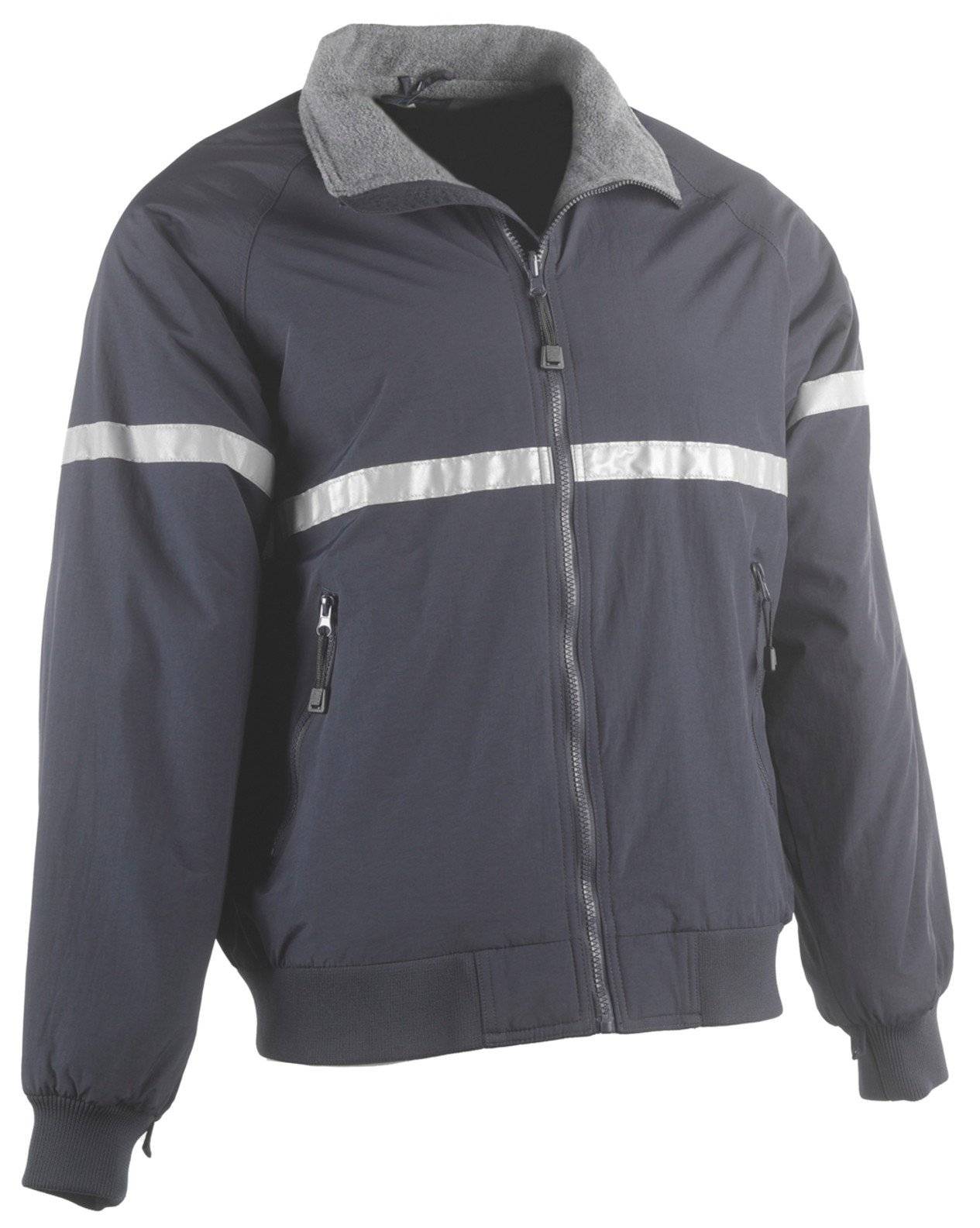
Officers benefit from ample pocket storage, an adjustable fit to comfortably layer over base and mid-layers, and durable construction built for daily patrol demands. The Galls Three Season Jacket transitions smoothly from vehicle duty to fieldwork and adapts to changes in environment, making it a dependable choice for officers seeking both safety and comfort in the field.
Explore more duty jackets and outerwear that meet rigorous law enforcement standards.
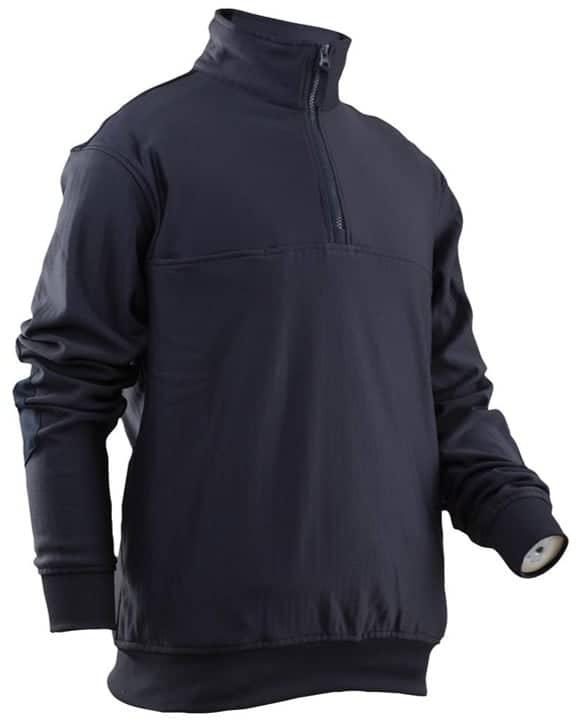
Product Spotlight: Tru-Spec 24-7 Grid Fleece Zip Thru Job Shirt
The "job shirt" is a staple in public safety for a reason. The Tru-Spec 24-7 Grid Fleece Zip Thru Job Shirt modernizes this classic with advanced materials.
For additional choices, visit our full selection of job shirts.
Why it belongs on your checklist:
This garment uses grid fleece, similar to the concept used in high-end military layering systems. The grid structure improves breathability and reduces weight while maintaining excellent warmth.
For a new officer, the versatility of the zip-thru design is key. You can unzip for ventilation if you are overheating during a call, or zip it up to the chin for maximum heat retention against the wind. It includes roomy chest pockets for documenting tools or backup essentials, integrating seamlessly with your daily workflow. It looks professional enough to be worn as an outer layer in mild conditions but is streamlined enough to layer under a heavy parka in sub-zero temps.
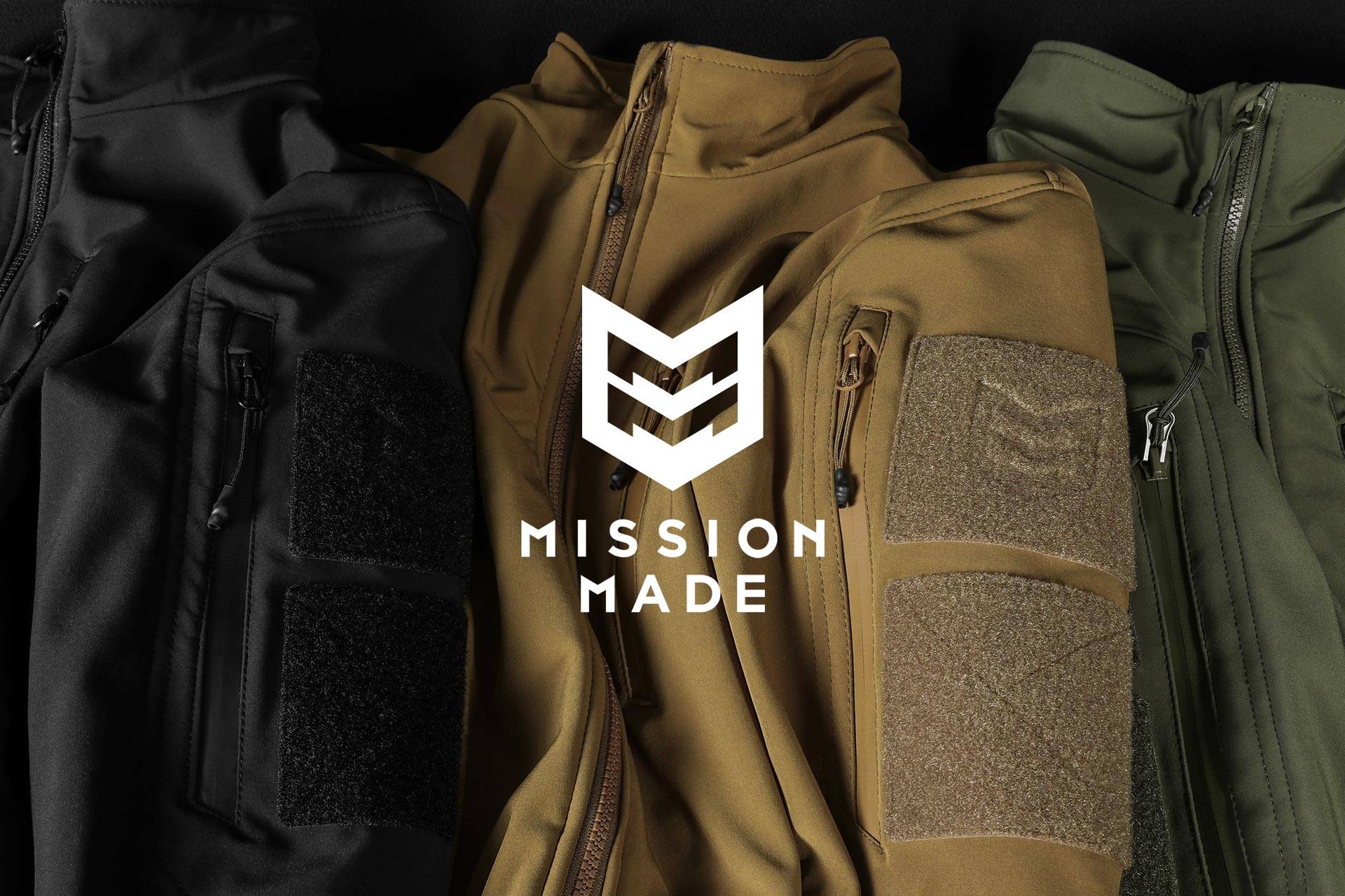
Product Spotlight: Mission Made Men's Soft Shell Vest
Sometimes, full sleeves can feel restrictive, especially when you are wearing a carrier, a radio mic, and a body cam. This is where a vest becomes a tactical asset.
Why it belongs on your checklist:
The Mission Made Men's Soft Shell Vest focuses warmth exactly where you need it most: your core. By keeping your vital organs warm, your body continues to pump warm blood to your extremities.
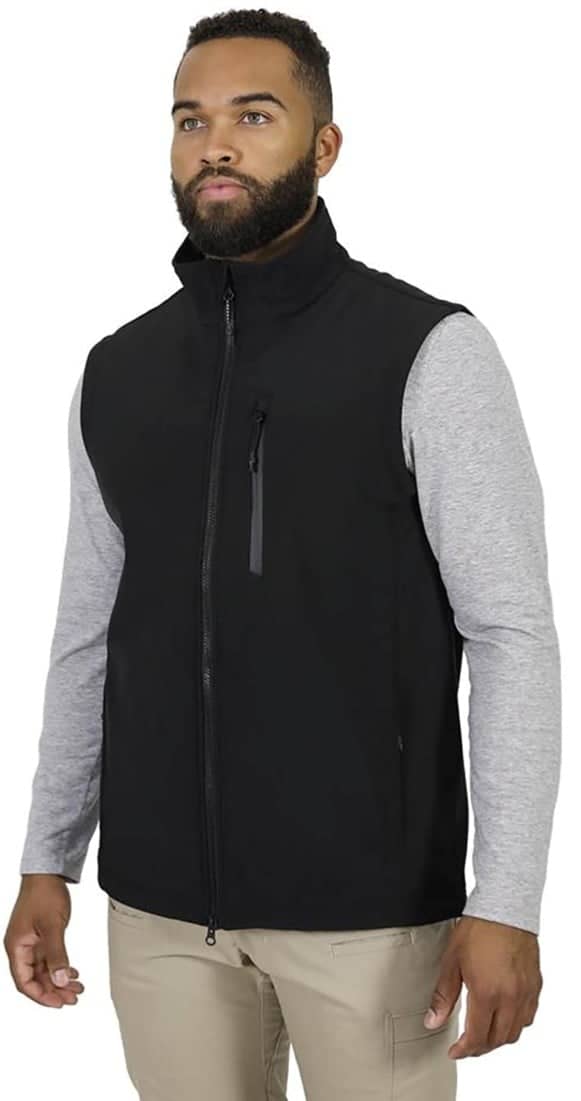
The soft shell material is water and wind-resistant, providing a shield against the elements without the bulk of a full jacket. For officers, the primary benefit of a vest is arm mobility. Whether you are driving, restraining a suspect, or drawing a weapon, your arms remain unencumbered. It presents a clean, professional appearance that pairs well with a uniform shirt, making it an excellent option for those transition days in late autumn or early spring, or as a dedicated mid-layer in deep winter.
3. Tactical Footwear: Traction and Insulation
Your feet are your transportation. Cold, wet feet are not just a nuisance; they can lead to trench foot or frostbite, and they significantly distract you from your duties. Standing on frozen pavement for hours pulls heat directly out of your body through the soles of your boots. Your footwear strategy must address insulation, waterproofing, and traction. Boots have to be lightweight but provide stability and be sturdy. With good traction on bottom so you don't slip as easily. Good boots keep everything working better. Cold feet are dangerous.
The selection of the right footwear—light, stable, and slip-resistant—is essential for enduring long shifts on icy or wet terrain. An investment in well-constructed boots ensures you maintain performance and reduce injury risk during winter patrols. Check out our wide selection of Tactical Boots & Footwear options.
Product Spotlight: Mission Made Boot Socks, 3 pack
Never underestimate the value of a quality sock. Standard cotton athletic socks are insufficient for winter patrol.
Why it belongs on your checklist:
Mission Made Boot Socks are designed specifically for the demands of duty boots. They offer cushioning to reduce fatigue during long shifts standing on concrete. More importantly, they provide thermal regulation. Wet socks from sweat are a nightmare in cold weather! Your feet freeze up and you cannot move or really do much of anything. In extreme weather you run the risk of frostbite.
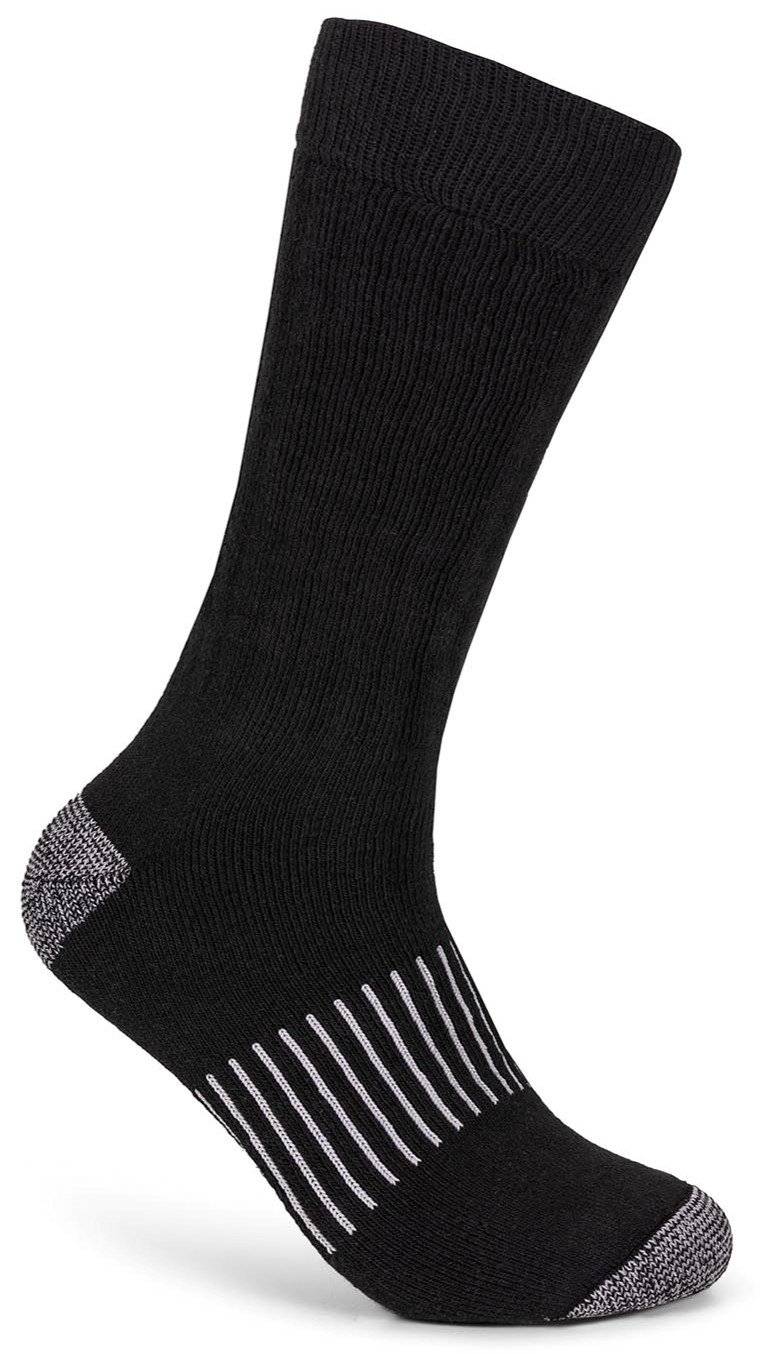
A good boot sock manages moisture effectively. Even in winter, your feet sweat. These socks pull that moisture away, keeping your feet dry and warm. The "3 pack" aspect is practical advice for new officers: always keep a spare pair of dry socks in your patrol bag. If you step in a deep puddle or end up wading through snow, changing into dry socks is the fastest way to prevent hypothermia and restore morale. Explore a wide variety of duty sock options.
Product Spotlight: Merrell Men's Nova 3 Tactical Mid Waterproof Boots
Heavy, clunky winter boots can be a liability during a foot pursuit. You need footwear that acts like a sneaker but protects like a shield.
Why it belongs on your checklist:
The Merrell Men's Nova 3 Tactical Mid Waterproof Boots strike the perfect balance between agility and protection. Merrell is renowned for their hiking pedigree, and they bring that technology to the tactical sphere.
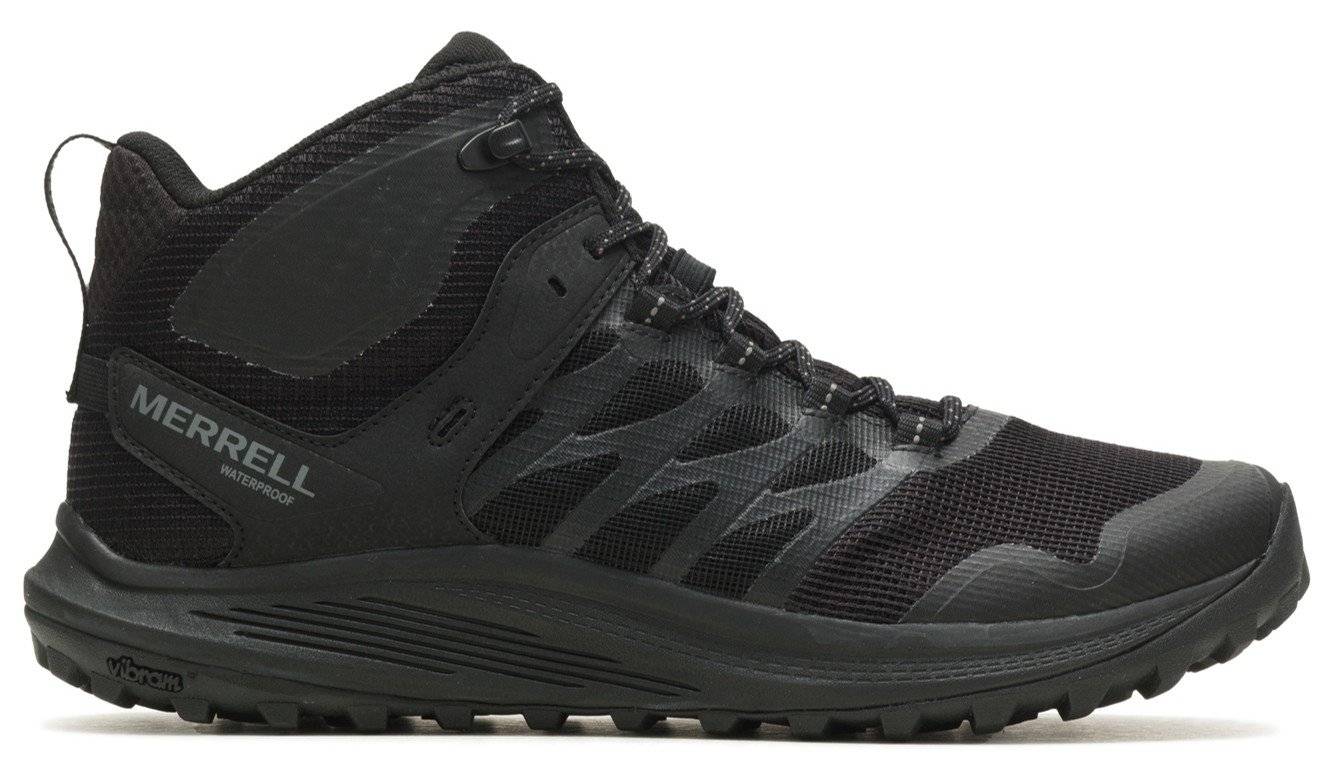
These boots feature a waterproof membrane that seals out water while letting moisture escape. This is vital for slushy roads or snowy backyards. They are built with non-metallic hardware, making them lighter than traditional boots. The Vibram® TC5+ outsole provides exceptional traction, which is a safety imperative when running on icy sidewalks or slick asphalt. As a new officer, you want a boot that doesn't require a long break-in period and won't weigh you down when speed matters.
4. Extremity Protection: The Dexterity Balance
The hands are often the first body part to suffer in the cold, yet they are the most important for your job. You need to write tickets, operate your radio, manipulate your firearm, and use handcuffs. Thick ski gloves make these tasks impossible. You require a glove that offers environmental protection without sacrificing tactile feedback.
Traditional gear often fails here: The department-issued gloves we had were useless if you actually wanted to do anything. They really didn't keep your hands warm anyway but made grabbing your firearm or other equipment almost impossible. Dangerous.
For reliable options that keep you mission-ready, explore law enforcement gloves and hand protection.
Product Spotlight: First Tactical Men's Lightweight Patrol Glove
Finding the right glove is often the hardest part of winter prep. You need something that feels like a second skin but offers a barrier against the cold and abrasion.
Why it belongs on your checklist:
The First Tactical Men's Lightweight Patrol Glove is engineered for precision. It is designed to be thin and fitted, allowing for maximum dexterity.
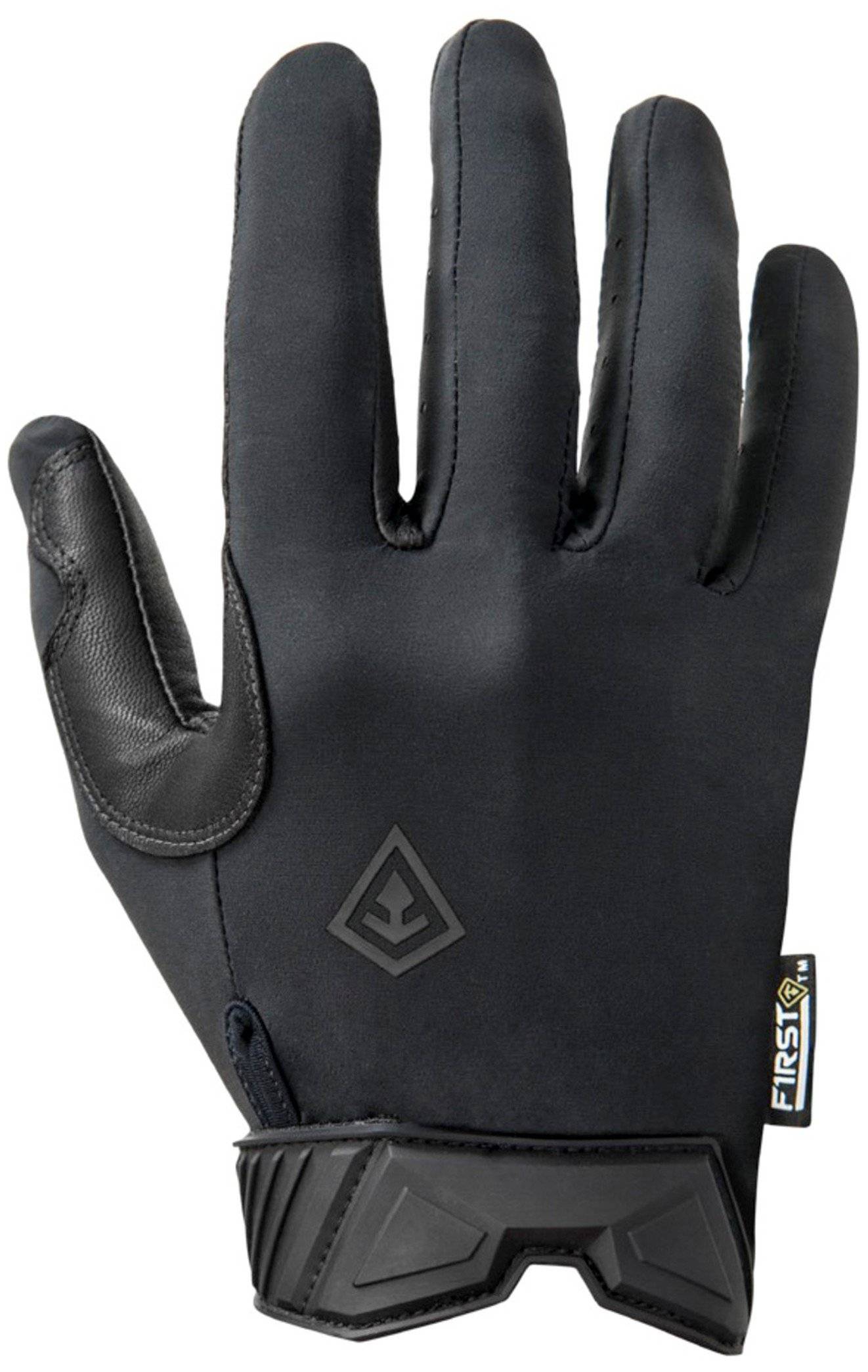
These gloves feature a growing necessity in modern policing: TouchTac™ fingertip construction. This allows you to operate touchscreen devices—like your MDT (Mobile Data Terminal) or department phone—without exposing your bare skin to the freezing air. The palm is constructed from goatskin, which is durable yet supple, providing excellent grip on your steering wheel or weapon. While these are "lightweight" and may need to be paired with a handwarmer or pockets during extreme idle times, they ensure that when you need to act, your hands are covered and capable.
To see a full selection of gloves engineered for law enforcement, visit the Galls Gloves & Hand Protection catalog.
Operational Tips for Cold Weather
Equipping yourself with the right products is step one. Step two is integrating them into your daily routine. Insights from experienced law enforcement professionals reinforce that preparation and adaptation are key to performing at your best during winter patrols. Here are our essential operational tips:
Looking for dependable winter patrol gear? Explore the full range of cold weather uniforms and outerwear and patrol equipment from Galls.
Vehicle and Equipment Readiness
- Check the Heater: Ensure your cruiser’s heater and defroster are functioning properly before leaving for patrol.
- Prepare for Stranded Motorists: Commander Donnell Gordon advises carrying extra supplies not just for yourself, but for the public. "You should pack extra drinks or snacks not only for yourself, but also for people who may be stranded due to car malfunctions. In addition, it is a good idea to carry a gas can that can be filled in case individuals run out of gas while stuck in traffic jams caused by winter conditions."
- Battery Management: Cold weather quickly depletes batteries, especially for electronics such as flashlights, body cameras, and radios. Store spare batteries close to your body to preserve their charge. For trusted options, browse body cameras and police flashlights.
Personal Maintenance
- The Golden Rule of Socks: As Commander Gordon notes, "It is always advisable to have a spare pair of shoes/socks available if your feet become wet." Wet feet can compromise your performance and safety instantly. Shop moisture-wicking socks and duty boots.
- Head and Hand Protection: Never overlook the importance of a warm winter hat, as significant heat loss occurs through the head. I suggest keeping hand warmers available if you need them, but prioritizing movement to generate heat. View winter headwear and hand warmers & winter gloves.
- Hydration and Nutrition: Dry winter air increases dehydration risk, and cold conditions burn more calories. Drink warm beverages when able and ensure you eat hot meals. Cold burns calories which are by definition heat. Consider hydration solutions.
Mindset and Adaptation
- Don't Ignore Discomfort: If you are cold, do something about it. Get inside to warm up when possible. Dress in layers and wear what's appropriate for the situation at the moment.
- Focus on the Mission: While comfort is key to performance, the mission comes first. I always remind new recruits to not be so concerned with how they look, but know that they must remain ready to perform your duty and may have to chase someone, fight, etc.
For a comprehensive list of winter accessories and gear, check out our Guide to Cold Weather Tactical Gear: Boots, Pants, Jackets & More.
Invest in Your Safety
As a new officer, you will receive a lot of advice and a lot of gear lists. It can be tempting to save money by using generic thermal underwear or standard socks. However, veteran officers know that quality gear is an investment in longevity and safety.
The products listed here—from the Under Armour Base 4.0 to the Merrell Nova 3 Boots—are chosen because they solve specific problems inherent to law enforcement. They provide reliability when conditions are at their worst.
When you are comfortable, you are observant. When you are warm, you are patient. And when you are dry, you are focused. Build your kit with these essentials, and you will be prepared to serve your community effectively, no matter what the thermometer reads. Stay safe out there.
Related Posts
Disclaimer: The information in this blog post is for general informational purposes only and should not be taken as legal, regulatory, safety, or professional advice. Galls, LLC and its affiliates (collectively, the “Company”) distribute public safety and law enforcement products but do not manufacture the items discussed. All product details are based on manufacturer-provided information and have not been independently verified by Galls. We make no warranties regarding the accuracy or completeness of such information. Readers should consult the respective manufacturer or regulatory authority for the latest details.
For more detailed information, visit our Disclaimer Page.
 Item Added to Cart!
